Enhancing Learning Opportunities: Bath Time

A neuro-typical toddler is learning from his/her environment all day, every day.  At Spectrum Autism Services, LLC. our goal is to ensure that the same can be said for even our earliest learners with ASD.  It is our belief that teaching children to learn and interact with others in their natural environment (home, grocery store, park, library, grocery store, doctor’s office, etc.) is the key to maximizing their success.  As a result, we have created this list of tips for parents to use during bath-time

Tips for making the most of bath-time

  • Stay in your child’s attention spotlight aka position yourself so that you are face to face and at the same level as your little one. Yes…this means the floor : )  This will allow you to capture eye contact and easily participate in your child’s play. (Life hack: get a kneeling mat, your knees/bottom will thank you)
  • Encourage the development of independent life skills.  A typical toddler will often yell “My turn” or “I do” when parents are providing more help than they need.  Children with ASD often need our help learning to perform these tasks independently. When your child is ready to get in the bath provide support but encourage your child to begin undressing/dressing independently.  It may be helpful to partially remove his/her shirt initially and let them attempt to take it the rest of the way off to avoid frustration and make sure the child is successful.  You can also encourage independence by having your child participate in washing himself/herself with soap/bubbles and a washcloth.

Bath-time is a great time to sing/teach sensory social songs with finger movements.  Some of our favorites include:

    1. Itsy Bitsy Spider
    2. Twinkle Twinkle Little Star
    3. Five Little Monkeys
    4. I’m a Little Tea Pot
    5. Wheels on the Bus
  • Imitation is one of the most important skills to teach a child with ASD.  Encourage the development of this skill by imitating your child actions both with and without toys.  Don’t forget to praise his efforts to imitate you as well. Encourage speech by labeling toys in the bath tub and the actions of your water baby : )  Use the 1 up rule (if the child is nonverbal label items/actions with one word, if the child is regularly using single words use 2 words to label items/actions, and so on. When possible limit the number of people in the bathroom to you and your child.  This will allow you both to focus on your interactions with each other free of distractions.
  • Bathing is an enjoyable experience for many children.  Capitalize on this! Laughs and smiles are great signs that your child is having fun and realizing what a great playmate (read: teacher) you are!
  • It is never too early to teach cleaning up. Yes… we are moms too : )  When you are letting the water out (or before if water going down a drain scares your little one) have him/her help place bath toys in a bath tub storage basket.  You can also have him/her put his/her clothes in the hamper.


Preparing Your Loved One for Holiday Travel and Company

The holiday season tends to be filled with social engagements, both with friends and family. In order to make your holidays as comfortable and stress-free as possible, we created a check list for preparing your loved one with Autism Spectrum Disorder for the upcoming activities. Hopefully with implementing some of our go-to advice, your travels or visits can go as smoothly as possible.

Traveling with Your Loved One

  • Upon deciding on a destination for the holidays, speak with your host about what they can do to help make your visit a pleasant one– and let them know your child’s daily meal and nap routine incase of any impediments.
  • Prepare your loved one for the form of travel you will take– a long car ride or flight might warrant noise cancelling headphones.
  • Carry documents of your child’s diagnosis in case of airline/airport requests, or make a medical necklace or bracelet.
  • Most airports have an autism program in place. You can call and find out so you can take a security run through with your loved one.
  • You can let your airline know ahead of time that you are flying with a child with autism. Three days before your trip, call TSA’s hotline, TSA Care’s (855-787-2227), which can help you act as an intermediary with customer care at the airport.
  • Make sure your child has food readily available that they can eat, both while traveling and at the destination. Have a plan in place to buy groceries upon arriving if need be.
  • Discuss or even practice the traditions you will partake in ahead of time with your loved one.
  • Home made travel kits, used here at Spectrum, include: crayons/markets and a coloring book, deck of cards, play-dough on the go, stickers, an old wallet with old gift cards and fake money,  a pack of conversation starters to work on the entire family’s communication skills 😉

Screen Shot 2018-11-13 at 2.33.38 PM

When Family/Friends Come to Town

  • Have your child put items they don’t want others playing with away and out of sight.
  • Let guests know your child’s schedule/routines in order to avoid unnecessary upsets.
  • Prepare your child for the guests that are arriving, letting them know who will be visiting and for how long.
  • Discuss and practice the holiday traditions they will partake in.

In either scenario, whether at home away, try not to over schedule your child. Provide them reprieves regularly with breaks and safe spaces to eliminate overstimulation.

We hope you find this informative, and if you have any additional tips, comment below!

The Early Signs of Autism Spectrum Disorder

Awareness is key.


If you aren’t sure about the signs of Autism in children, you can watch our video from our Youtube channel above. We hope you find this informative.

The M-CHAT mentioned towards the end of our video stands for The Modified Checklist for Autism in Toddlers. It is a psychological questionnaire that evaluates risk for autism spectrum disorder in children ages 16–30 months.

To take the questionnaire, visit M-CHAT.org


Children with ASD and Chewing

Many children chew and/or mouth inedible objects (ie: necklaces, toys, clothing). This behavior is especially common amongst children with Autism Spectrum Disorder, as it is an effective way to self regulate. The oral sensory input provided can also promote attention to a task, relieve anxiety, reduce fear and combat  sensory overload. 

We advise parents not to treat “Stimming”, self stimulatory behaviors such as chewing, as maladaptive behaviors that must be stopped, but instead understand its helpful benefits to our loved ones with ASD.

Oral sensory activities can calm children with ASD, and can be an appropriate outlet while learning and performing other daily tasks.

Here are some examples of ways our BCBAs encourage safe and socially appropriate oral sensory activities:

-Drinking from a water bottle with a dense straw:

Screen Shot 2018-11-06 at 3.03.10 PM.png

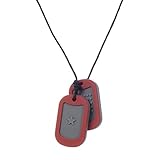
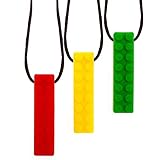
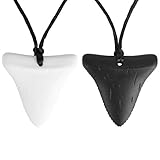
-Using resistive chewing on chew friendly items (these are a few items we use here at Spectrum):

Dog Tag Chewy Beads 

B00NU1ZX6M  

Lego Lookalike Chew Necklace

B0778V8546

Chewy Tubes

B007C5J1Z6

Shark Tooth Sensory Teether

B07C69L7KG


To find other items on amazon that are chew friendly, simply search “sensory teether” to discover more options.

We hope you find the resources we use beneficial. Feel free to comment with any additional ideas or questions!

Halloween Costumes and Resources

Considering the number of details that go into planning for the holidays, we decided to give some additional resources as a follow up to our previous blog on Halloween Tips.

happyH.jpg

Sensory Friendly Costume Ideas

Halloween can be both exciting and overwhelming for our loved ones with Autism Spectrum Disorder, and that’s why we compiled a few costume ideas to help alleviate holiday induced anxiety. Our BCBAs and Behavior Techs at Spectrum have shared some of their favorite tips and tricks below:

  • Capes (avoiding masks is a good idea though)
  • Character hoodies/sweatshirts
  • Character Pajamas
  • Glow sticks (toss one in their treat bag or let them hold one to keep them visible, but simultaneously festive!)

By eliminating any additional irritants like scratchy fabrics, and avoiding face paint and masks, it decreases the amount of unnecessary stimulation that could be potentially night ending.

Other possible accessories:

Have a Halloween Count Down

Creating a calendar or countdown for Halloween can help emotionally prepare your loved one with ASD for the upcoming holiday. Talking about the holiday daily when marking the days on a calendar/countdown can remove the surprise of it.

Decorate Together

Having your child decorate the home with you can help them better understand the meaning behind the spooky decor. It can also prevent the fear of others’ decor when trick or treating. This will ultimately work as an additional step in preparing for the main event!

Hdecor

Feel free to comment with any Halloween informational tidbits of your own or ask questions in regards to costume ideas!