The First Steps for Parents Following Your Child’s Autism Diagnosis

Has your child recently received an Autism Spectrum Disorder diagnosis?

You might be experiencing a gamut of emotions. That is okay. We aren’t here to tell you how to feel, as we have been there too. But what we can tell you about are resources that work for us with our own children at our homes and with our clients.

“I know for me, I felt almost crazy for thinking something could be a little “off” about my child, because everyone else around me was saying ‘you’re just overthinking it’, or ‘all babies develop at their own pace’, or ‘this is your first child, so you just don’t know’…. I was relieved that I wasn’t just imagining things, I followed my gut, persisted, and was able to finally get him the help he needed.” 

-Melissa, a Spectrum employee and friend whose firstborn was diagnosed with ASD.

We understand that everyone responds differently to this news, so let’s begin by introducing you to a few of the resources we have used to successfully inform ourselves and clients.

Get every referral possible.

Studies prove that some young children have the ability to make drastic progress when Autism is found early and intervention occurs. Begin your journey by making an appointment with your child’s pediatrician and requesting referrals to a developmental Occupational Therapy, Speech, and Applied Behavior Analysis (ABA).

Contact your community services board.

This resource has valuable information regarding early intervention services, providers within your area, connecting you with medicaid waivers (should your child qualify), disability resource centers, and local support groups to assist you through the process. That way, you don’t have to do all of the google searching yourself!

Ask Questions

Call around, ask questions, and set up assessments for services. Not every provider will be the perfect fit for your child, or your family, so you should evaluate the agencies as well.

Educate yourself

Learn as much as possible about Autism and what you can do to support your child. There will be a plethora of information that comes your way. Try to decide what methods work for your family. Autism treatment is not a “one size fits all”, so some of this journey will be trial and error, and that is okay.

The book below,  An Early Start for Your Child with Autism: Using Everyday Activities to Help Kids Connect, Communicate, and Learn, is a favorite resource of Nancy Daly, our CEO. It discusses research on how parents can play a pivotal role in helping their young children with ASD.
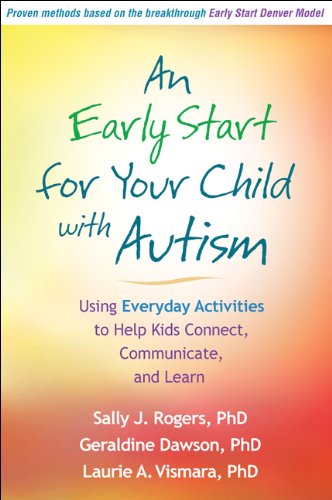
An Early Start for Your Child with Autism: Using Everyday Activities to Help Kids Connect, Communicate, and Learn by [Rogers, Sally J., Dawson, Geraldine, Vismara, Laurie A.]
https://amzn.to/2Vqlw2U

Talk to your friends and family.

It is important to have a support group, not just for your child, but for you and our partner. Some family members or friends may not know how to handle the news, so communicate what you need or ways they can help. If they care, they will want to be encouraging in the ways that you and your family need. This process helps show you which people are going to be more reliable, and who you may want to distance yourself from. You are your child’s #1 advocate, and you need the people who are going to only work with you, not against you! 

There are many ways to navigate the ASD journey you are on. We hope that this blog post has provided you with a few ideas to point you in an informative, and hopefully helpful, direction.

The Importance of Pairing

Pairing is an ongoing process during which behavior technicians familiarize themselves with your child and discover what he or she enjoys. Just as you or I would not want to follow instructions from a stranger, your child is not likely to respond to demands placed by a technician without a positive relationship first being established.

IMG_0078

The First Month of ABA Therapy

Behavior technicians will be collecting baseline data for problem behaviors, language, skills, and most importantly– pairing!

The Pairing Process

The process of pairing is important because it allows the technician to become associated with fun activities and highlight preferred items. In this way, your child will be motivated to build a relationship with the technician. This relationship will be the foundation for building “instructional control.” Instructional control simply means that when the technician instructs your child to do something, he or she will do it. Pairing also helps the technician learn about your child’s preferences and gives the worker an idea of what may motivate your child when work tasks begin.

It Looks Like Playing– Is this Useful?

Playing with your child is exactly what pairing should look like! Technicians should be engaging with your child and letting him or her direct the play entirely for the first few sessions. This helps teach your child that the technician is fun and allows the presence of the technician to become reinforcing. Building the relationship between your child and the technician as a fun person (with fun stuff!) before the technician will be able to successfully place demands.

IMG_0063 2

How You Can Tell That Pairing is Working

Pairing is working when your child looks forward to his or her technician coming to your home. While the technician is there, the child enjoys and seeks out engagement with him or her. When they have to leave, the child may become disappointed or ask when he or she will return.

One of the goals of pairing is that your child engages in more “coming toward” behaviors with the technician, rather than “running away” behaviors.

Does Pairing End After the First Month of Therapy?

Nope, pairing is a continual process! Behavior technicians will continue to pair with your child at the beginning of session and during breaks. Continued pairing helps maintain the relationship your child has with his or her technician and strengthen the instructional control the technician has established.

We hope you find this information on ABA therapy and pairing insightful. Feel free to comment with any additional questions!

Gift Guide for Children with ASD

Image may contain: plant and outdoor

During the holidays and before a child’s birthday, parents often ask us what they should get their child with ASD. We decided to create this list of items we use with our own children as well as here at Spectrum.

Simply click the image of the item to be directed to the link.

For the Energizer Bunny Kiddos:

A swivel seat is a fun way for burning off energy in a remote location!


A Bounce ball provides a full body energy outlet!

WALIKI TOYS Hopper Ball For Kids Ages 3-6 (Hippity Hop Ball, Hopping Ball, Bouncy Ball With Handles, Sit & Bounce, Kangaroo Bouncer, Jumping Ball, 18 Inches, Red, Pump Included)

Climbing through a colorful tent activates the senses and prompts creativity in the home.

Pacific Play Tents Kids Peek-A-Boo I See You 6 Foot Crawl Tunnel - Multicolor & Mesh

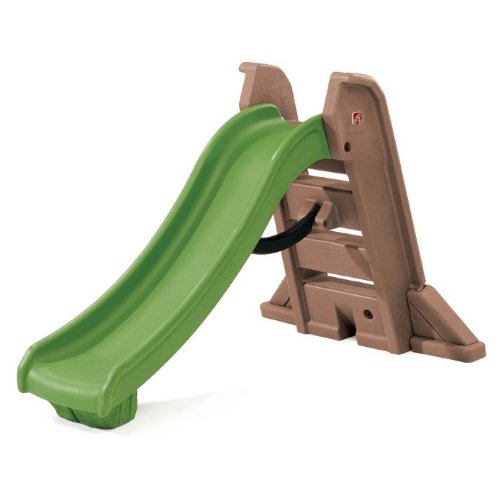
A great go-to is definitely a good slide! This one was on our Christmas list 🙂

Step2  Naturally Playful Big Folding Slide

Family fun can’t get better than a good old fashioned scooter. Providing a fun way to roam around is an easy outlet for some extra energy.

Gamecraft Safety Guard Scooters (Blue)

For any Harry Potter fans out there, this Snitch Fidget Spinner is a favorite of kids familiar with the famous series.

Snitch Fidget Spinner 2PCS, Hand Spinner Toy Time Killer Copper SNITCH Stainless Steel Metal Fidget Toys Fingertip Gyro Relief Cube Toy Gifts For Adults and Kids (Pack of 2)

For the Artists:

A No Spill Paint Set is a great gift that truly never goes out of style. And also is easy on Mom and Dad.

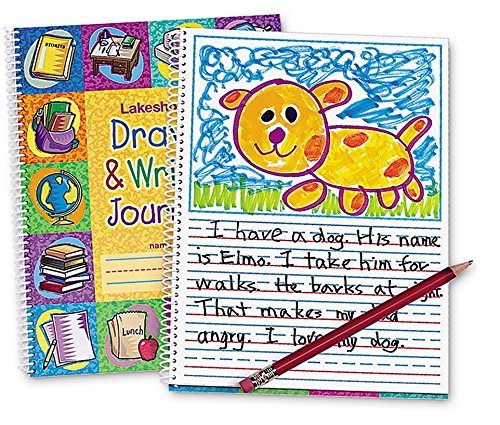
A Draw & Write Journal is a fun way to promote learning to write!

Lakeshore Draw & Write Journal

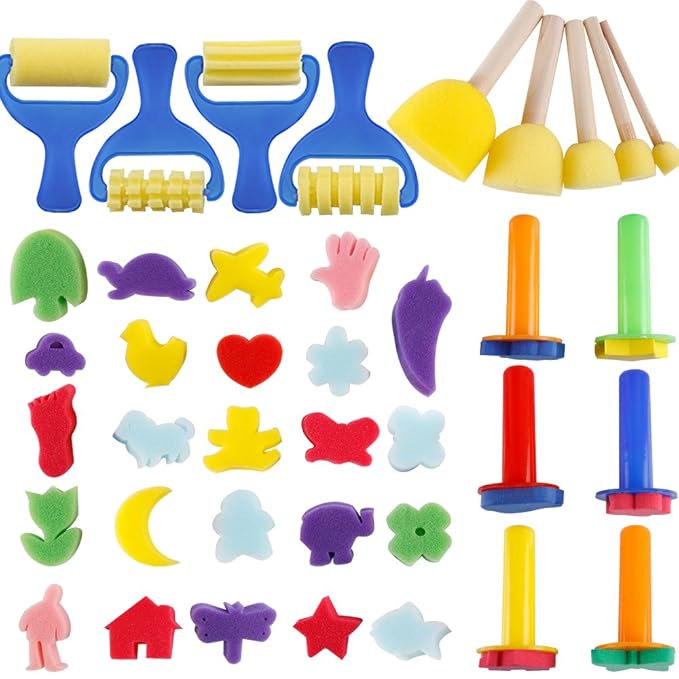
We often do Sponge Painting at Spectrum, and find it especially effective when painting hand and footprints!

YGDZ Early Learning Mini Flower Sponge Painting Brushes Craft Brushes Set for Kids Shipping by FBA

A Finger Painting Pad is a great way to get your kiddos hands dirty– in the best way!

Melissa & Doug Finger Paint Paper Pad (12"x18")

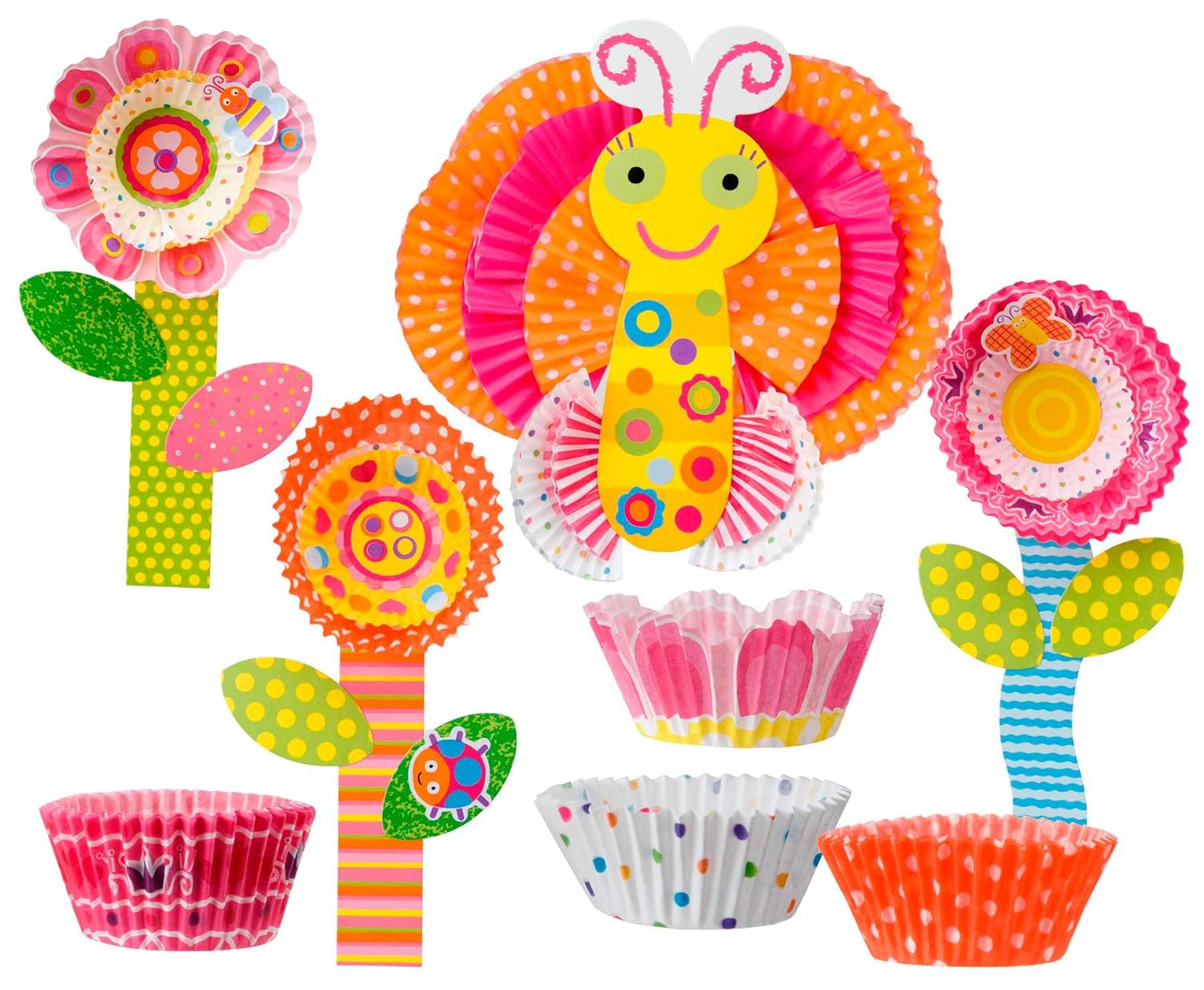
Cupcake Crafting is not only adorable, it makes baking even more fun!

For the Sensory Seeker:

An Indoor Therapy Swing is an awesome addition to any living space. Who wouldn’t want to hang in this in their room?

Sensory Body Sock is a fun way to cuddle on the couch– and also be silly!

Orbeez beads are a favorite around here– and provide endless entertainment with the Orbeez collections!

Orbeez Grown Pink Refill for Use with Crush Playset

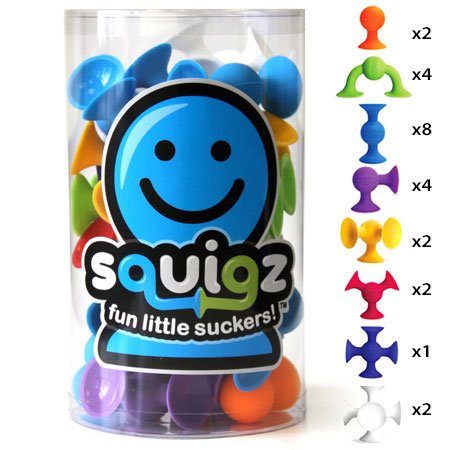
Suction Cup Builders put a twist on building blocks!

Fat Brain Toys Original Squigz Starter 24 piece set - Suction Construction

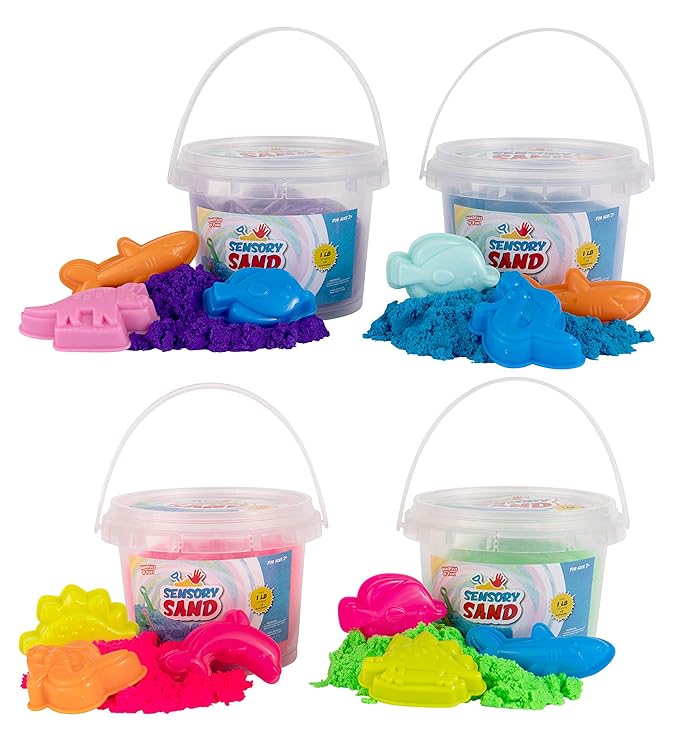
Sensory Sand is colorful, engaging, and kids love it.

Sensory Sand Party Pack of Sand with Sea Molds (4 Pack)

For Our Littlest Learners:

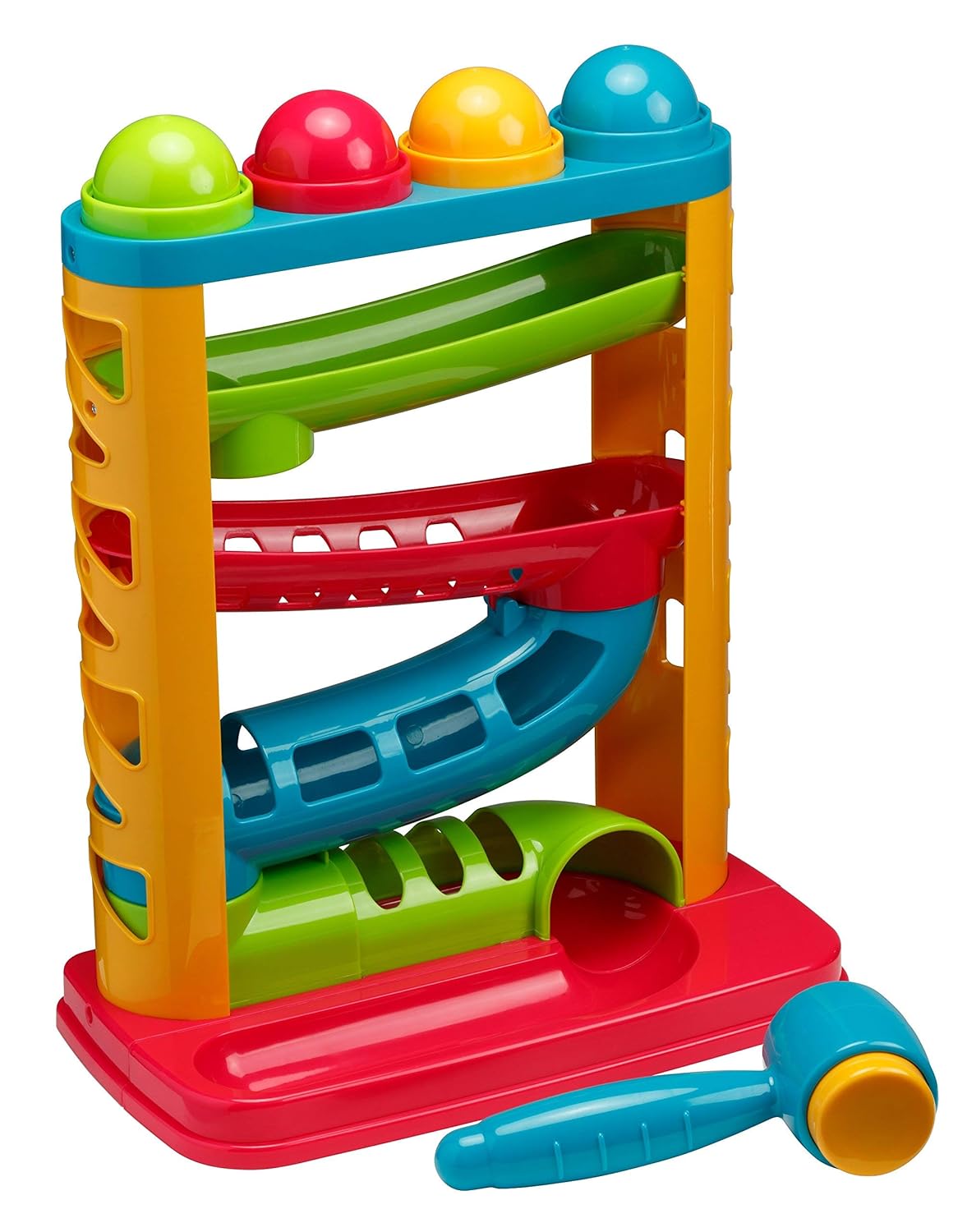
Pound a Ball:

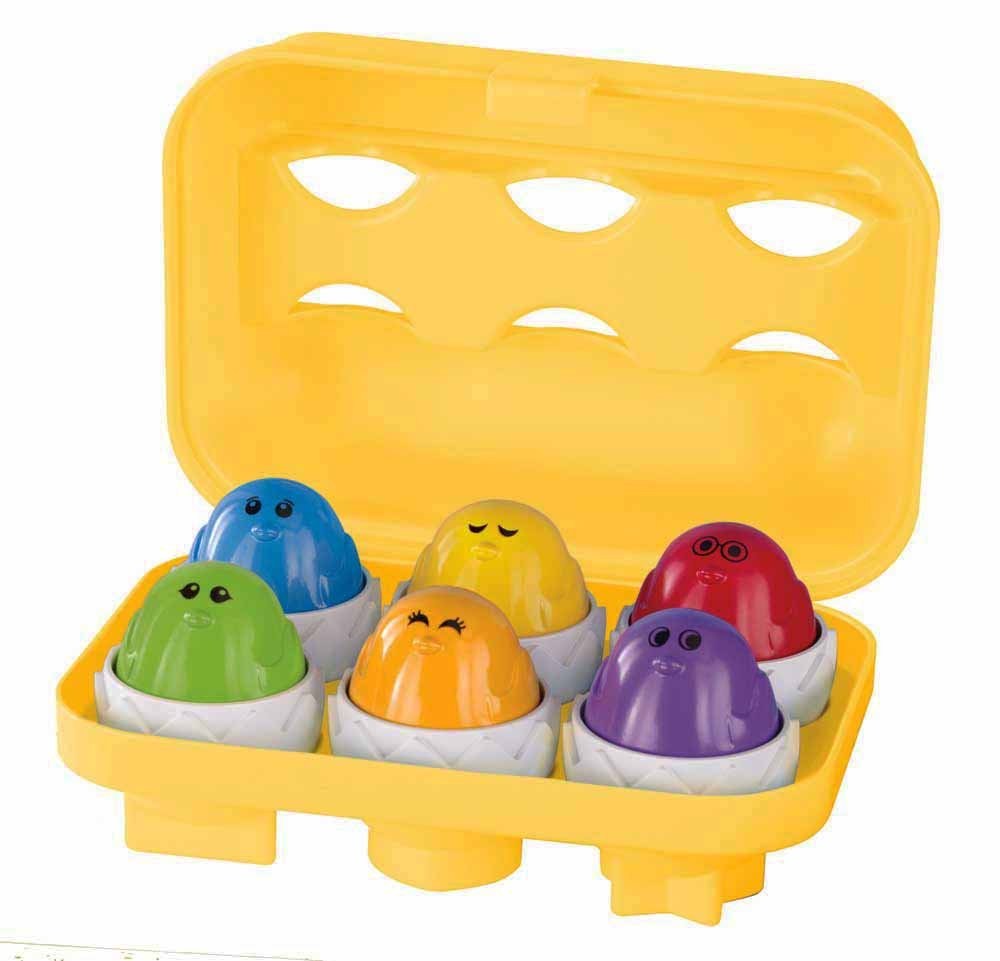
Hide n Squeak Eggs:

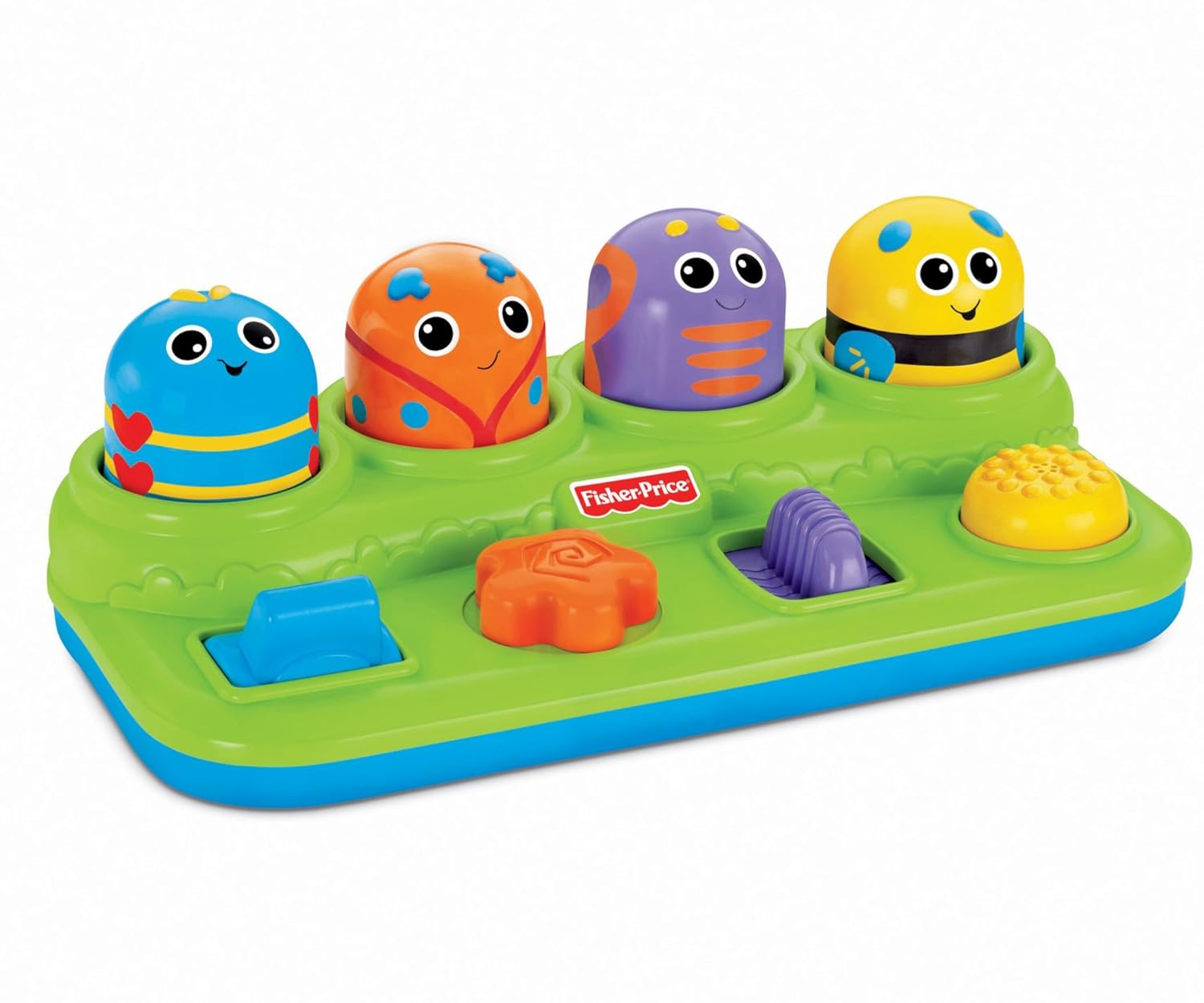
Bopping Bugs:

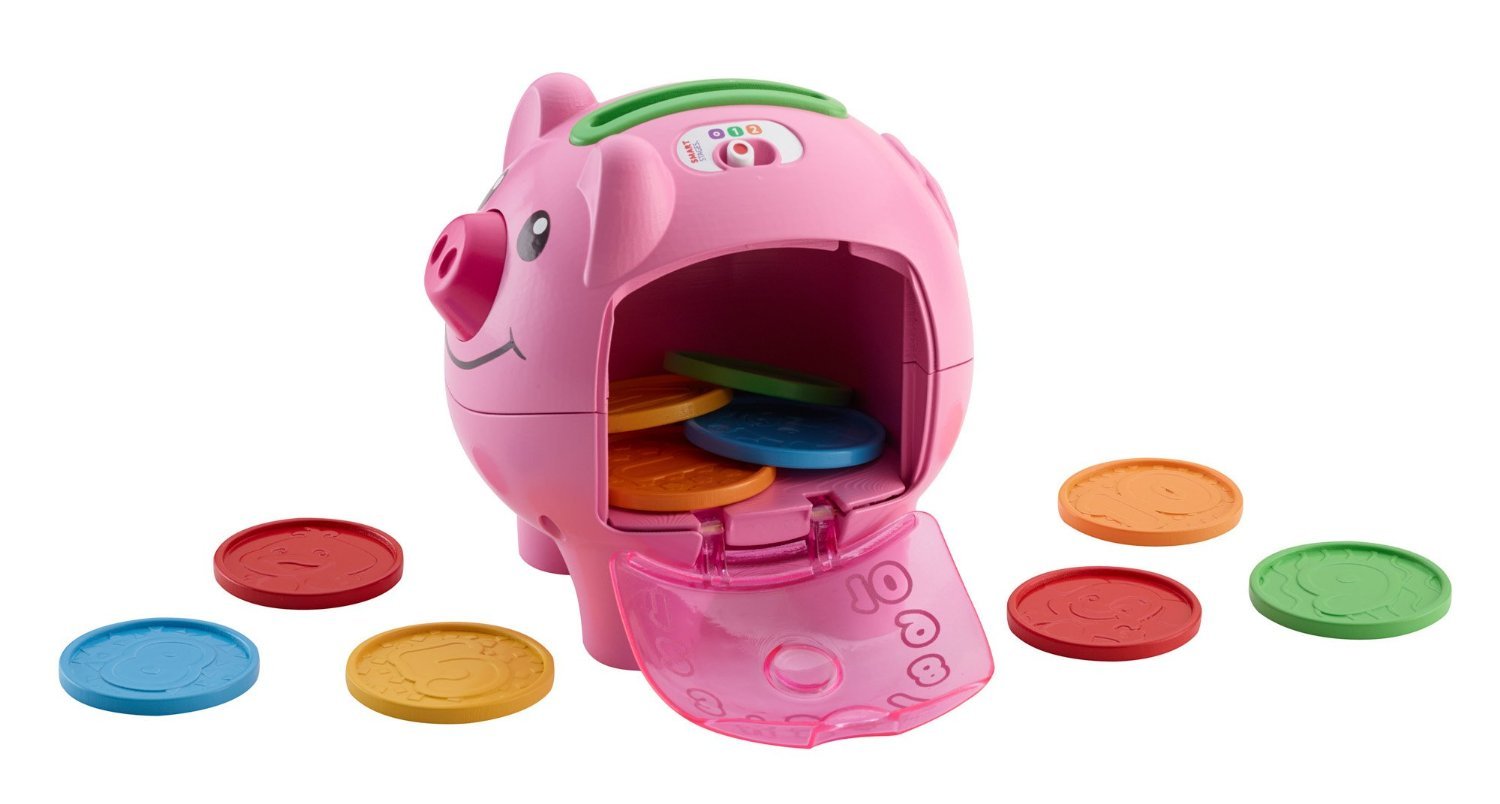
Piggy Bank:

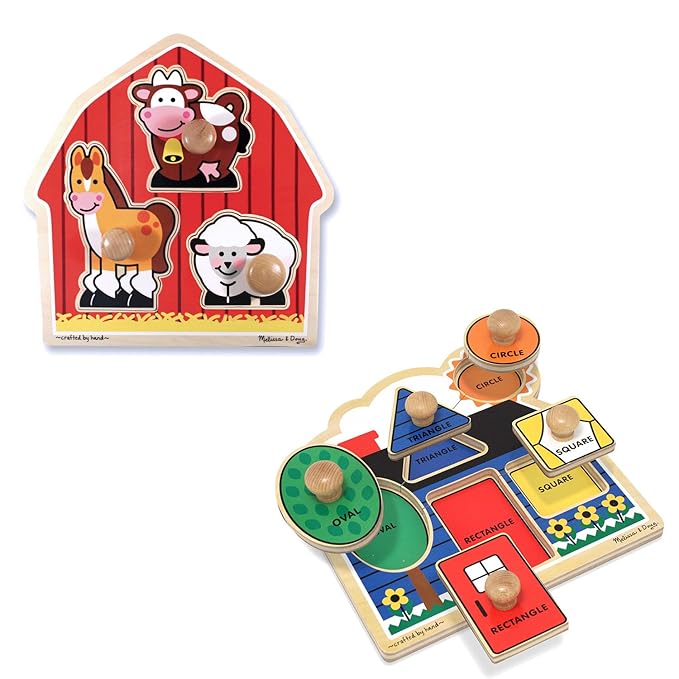
Jumbo Wooden Puzzle:

Melissa & Doug Jumbo Knob Wooden Puzzles Set - Shapes and Barn

Enhancing Learning Opportunities: Bath Time

A neuro-typical toddler is learning from his/her environment all day, every day.  At Spectrum Autism Services, LLC. our goal is to ensure that the same can be said for even our earliest learners with ASD.  It is our belief that teaching children to learn and interact with others in their natural environment (home, grocery store, park, library, grocery store, doctor’s office, etc.) is the key to maximizing their success.  As a result, we have created this list of tips for parents to use during bath-time

Tips for making the most of bath-time

  • Stay in your child’s attention spotlight aka position yourself so that you are face to face and at the same level as your little one. Yes…this means the floor : )  This will allow you to capture eye contact and easily participate in your child’s play. (Life hack: get a kneeling mat, your knees/bottom will thank you)
  • Encourage the development of independent life skills.  A typical toddler will often yell “My turn” or “I do” when parents are providing more help than they need.  Children with ASD often need our help learning to perform these tasks independently. When your child is ready to get in the bath provide support but encourage your child to begin undressing/dressing independently.  It may be helpful to partially remove his/her shirt initially and let them attempt to take it the rest of the way off to avoid frustration and make sure the child is successful.  You can also encourage independence by having your child participate in washing himself/herself with soap/bubbles and a washcloth.

Bath-time is a great time to sing/teach sensory social songs with finger movements.  Some of our favorites include:

    1. Itsy Bitsy Spider
    2. Twinkle Twinkle Little Star
    3. Five Little Monkeys
    4. I’m a Little Tea Pot
    5. Wheels on the Bus
  • Imitation is one of the most important skills to teach a child with ASD.  Encourage the development of this skill by imitating your child actions both with and without toys.  Don’t forget to praise his efforts to imitate you as well. Encourage speech by labeling toys in the bath tub and the actions of your water baby : )  Use the 1 up rule (if the child is nonverbal label items/actions with one word, if the child is regularly using single words use 2 words to label items/actions, and so on. When possible limit the number of people in the bathroom to you and your child.  This will allow you both to focus on your interactions with each other free of distractions.
  • Bathing is an enjoyable experience for many children.  Capitalize on this! Laughs and smiles are great signs that your child is having fun and realizing what a great playmate (read: teacher) you are!
  • It is never too early to teach cleaning up. Yes… we are moms too : )  When you are letting the water out (or before if water going down a drain scares your little one) have him/her help place bath toys in a bath tub storage basket.  You can also have him/her put his/her clothes in the hamper.


Preparing Your Loved One for Holiday Travel and Company

The holiday season tends to be filled with social engagements, both with friends and family. In order to make your holidays as comfortable and stress-free as possible, we created a check list for preparing your loved one with Autism Spectrum Disorder for the upcoming activities. Hopefully with implementing some of our go-to advice, your travels or visits can go as smoothly as possible.

Traveling with Your Loved One

  • Upon deciding on a destination for the holidays, speak with your host about what they can do to help make your visit a pleasant one– and let them know your child’s daily meal and nap routine incase of any impediments.
  • Prepare your loved one for the form of travel you will take– a long car ride or flight might warrant noise cancelling headphones.
  • Carry documents of your child’s diagnosis in case of airline/airport requests, or make a medical necklace or bracelet.
  • Most airports have an autism program in place. You can call and find out so you can take a security run through with your loved one.
  • You can let your airline know ahead of time that you are flying with a child with autism. Three days before your trip, call TSA’s hotline, TSA Care’s (855-787-2227), which can help you act as an intermediary with customer care at the airport.
  • Make sure your child has food readily available that they can eat, both while traveling and at the destination. Have a plan in place to buy groceries upon arriving if need be.
  • Discuss or even practice the traditions you will partake in ahead of time with your loved one.
  • Home made travel kits, used here at Spectrum, include: crayons/markets and a coloring book, deck of cards, play-dough on the go, stickers, an old wallet with old gift cards and fake money,  a pack of conversation starters to work on the entire family’s communication skills 😉

Screen Shot 2018-11-13 at 2.33.38 PM

When Family/Friends Come to Town

  • Have your child put items they don’t want others playing with away and out of sight.
  • Let guests know your child’s schedule/routines in order to avoid unnecessary upsets.
  • Prepare your child for the guests that are arriving, letting them know who will be visiting and for how long.
  • Discuss and practice the holiday traditions they will partake in.

In either scenario, whether at home away, try not to over schedule your child. Provide them reprieves regularly with breaks and safe spaces to eliminate overstimulation.

We hope you find this informative, and if you have any additional tips, comment below!