The Early Signs of Autism Spectrum Disorder

Awareness is key.


If you aren’t sure about the signs of Autism in children, you can watch our video from our Youtube channel above. We hope you find this informative.

The M-CHAT mentioned towards the end of our video stands for The Modified Checklist for Autism in Toddlers. It is a psychological questionnaire that evaluates risk for autism spectrum disorder in children ages 16–30 months.

To take the questionnaire, visit M-CHAT.org


Children with ASD and Chewing

Many children chew and/or mouth inedible objects (ie: necklaces, toys, clothing). This behavior is especially common amongst children with Autism Spectrum Disorder, as it is an effective way to self regulate. The oral sensory input provided can also promote attention to a task, relieve anxiety, reduce fear and combat  sensory overload. 

We advise parents not to treat “Stimming”, self stimulatory behaviors such as chewing, as maladaptive behaviors that must be stopped, but instead understand its helpful benefits to our loved ones with ASD.

Oral sensory activities can calm children with ASD, and can be an appropriate outlet while learning and performing other daily tasks.

Here are some examples of ways our BCBAs encourage safe and socially appropriate oral sensory activities:

-Drinking from a water bottle with a dense straw:

Screen Shot 2018-11-06 at 3.03.10 PM.png

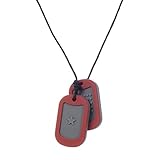
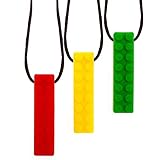
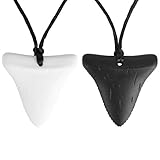
-Using resistive chewing on chew friendly items (these are a few items we use here at Spectrum):

Dog Tag Chewy Beads 

B00NU1ZX6M  

Lego Lookalike Chew Necklace

B0778V8546

Chewy Tubes

B007C5J1Z6

Shark Tooth Sensory Teether

B07C69L7KG


To find other items on amazon that are chew friendly, simply search “sensory teether” to discover more options.

We hope you find the resources we use beneficial. Feel free to comment with any additional ideas or questions!

Tips for Trick or Treating

Halloween is an exciting holiday for kids. It can also be scary, eventful, and full of surprises– all things that parents of children with Autism Spectrum Disorder might find worrisome. That is why we decided to compile some tips for enjoying time with your loved one with ASD this Halloween!

pumpkin

Plan Your Route

In the week or days leading up to trick or treating, plan the streets and even the homes you plan to visit! Finding a quiet, unfrequented street beforehand can greatly reduce the risk of meltdowns. You can make a map and take it with you on the day of the main event. A parent or family member can be put in charge of carrying the candy bag to eliminate the task for your child as well.

Do a Dress Rehearsal

The days leading up to trick or treating, have your child practice putting on and wearing the costume a few times. Also, touring the route by visiting it prior to the main event can prevent the surprise of unfamiliarity. Practice knocking on a door for a trick or treat run through too! This can eliminate first-time jitters and discomfort coinciding with sensory overload on Halloween. Practicing a run through is an important idea if your child has difficulty with crowds or a new environment.

Make “Trick or Treat” Cards or Bags

If your loved one does not communicate verbally, a great idea would be to make a notecard or bag! It can state that they have ASD, explaining they don’t communicate well. It can have “Trick or Treat!” on one side, and “Thank You!” on the other. Here is an example of a candy bag:

trick or treat

Noise Canceling Headphones

If sensory overload is a concern for Halloween, a great idea would be to have your loved one with ASD wear noise-canceling headphones. It can be a part of his/her costume whether it matches or not because, on Halloween, anything goes! These can eliminate the loud, unexpected noises of other kids on the same street as you.

Invite Others

Going with friends might increase the level of fun for your child. The excitement of other kids can feel contagious and can help make your child’s experience a fun one. Although you know your child and whether or not this will be best!

Good Ghouls Go Home

Don’t hesitate to go home! If you notice any signs of trick or treating becoming too much, call it a night. If going home early becomes necessary, or you can’t quite make it out the door to begin with, that is okay! You can hype up passing out candy and create an enjoyable experience from the comfort of your home.


Overall, we wish you a positive Halloween experience with your loved one with ASD. We hope these tips are useful in making this holiday the best possible. And don’t forget, if you are in the northern Virginia area feel free to join the Helping Hands Halloween Fall festival!

Coding for Kids

In relation to our previous post about why more Cybersecurity centers should hire people with Autism Spectrum Disorder, we wanted to inform you of some great kids resources in our local Virginia area.

Ninja Warriors

In Fairfax, Virginia, Ninja Warriors is an up and coming resource for the community! Upon opening, Code Ninjas Camps will offer an immersive environment for kids to explore and develop new skills to become potential digital gurus as well as have fun with friends. They will soon offer after-school programs as well as summer camps! For more info click here.

Generation Code

Generation Code’s mission is to transform kids into digital leaders, and they serve individuals through Lab and summer camps. They also serve schools and communities using innovative curriculum and professional development.

Each Generation Code camp is hands-on to help kids’ coding skills. Campers learn crucial coding skills and in-demand languages, like HTML, CSS, JavaScript, and Java while building their critical thinking and collaborative skills. Every day of camp, students learn from each other and express their creativity through code.

Their programs include Mobile App Development (11+), Ozo Robotics, Scratch animation and Game design, Intro to Java Script, and more!

For more information on after-school courses and summer programs visit https://www.generationcode.com/products/2018

contactGenCode: Facebook & Twitter

(Featured photo from: https://www.generationcode.com/pages/about)

Not Near You?

If neither of these is near you, it could still be a great resource to consider looking into. Considering the need in the IT and Cybersecurity profession, this could be a great activity for your child to attempt.

The Tech world has the potential to be a great professional endeavor for someone with Autism Spectrum Disorder. We hope you find these ideas helpful.


Kids with ASD and Interacting with Law Enforcement

A study published in February 2017 showed that nearly 20 percent of young people on the Autism spectrum have had a run-in with police by age 21, and about half of those by age 15. Some traits of people with ASD, from social anxiety, stimming, difficulty communicating and making eye contact, can resemble a police officer’s standard profile of a suspicious person. Add in the flashing lights, a loud siren or bullhorn, and it can be paralyzing for someone with autism, who may have extreme sensitivity to light, sound or touch.

Considering the behavioral misinterpretations of people who have ASD, we have a few recommendations for preparing your loved one with ASD for any possible future encounters. While we have done presentations to local law enforcement officers about engaging with a person who has ASD, and we can only hope other communities have as well, preparedness cannot hurt to go both ways.

firefighters

Discuss The Job Duties of First Responders

An easy way to begin informing your loved one about law enforcement and first responders is to teach them their job duties. Having multiple conversations in this way can be proactive preparation.

Try repeatedly discussing the police/firemen’s indicating elements of their uniform (i.e navy attire with a silver badge) or vehicles (red truck) to pair with their duties. Making notecards for a matching game that identify the job function of the first responders could also be effective. Letting them know to not be wary but instead respectful could also be a good idea.

Taking your loved one to the actual police station or fire station would not just be a fun outing, but would also help solidify the memory of uniforms and vehicles of public servicemen in their mind.

If your loved one with ASD understands the duties of public servicemen and women, it can greatly minimize the confusion of why a person in uniform would be approaching them if that ever occurs.

Make an ASD Card

At Spectrum, we advocate making your child with ASD an identification card of sorts.

Notifications this card can include:

  1. Your loved one’s diagnosis
  2. His or her sensitivities
  3. A contact number for his or her Doctor
  4. A contact number for his or her legal guardians
  5. IEP accommodations (for school)

We omit the child’s name in case the card ever got lost. Nevertheless, this is a tactic we advise for students in school settings to carry and can be handy for public situations as well.

These options coupled with making sure your loved one can identify why a public serviceman would approach them could be extremely beneficial to prevent negative encounters with law officials.